

Writing · October 2026
What I learned designing for a judiciary
Thirteen years of portals, virtual courses and an idea that is now called The Bridge Method.
By Emir Manrique · About 5 minutes to read
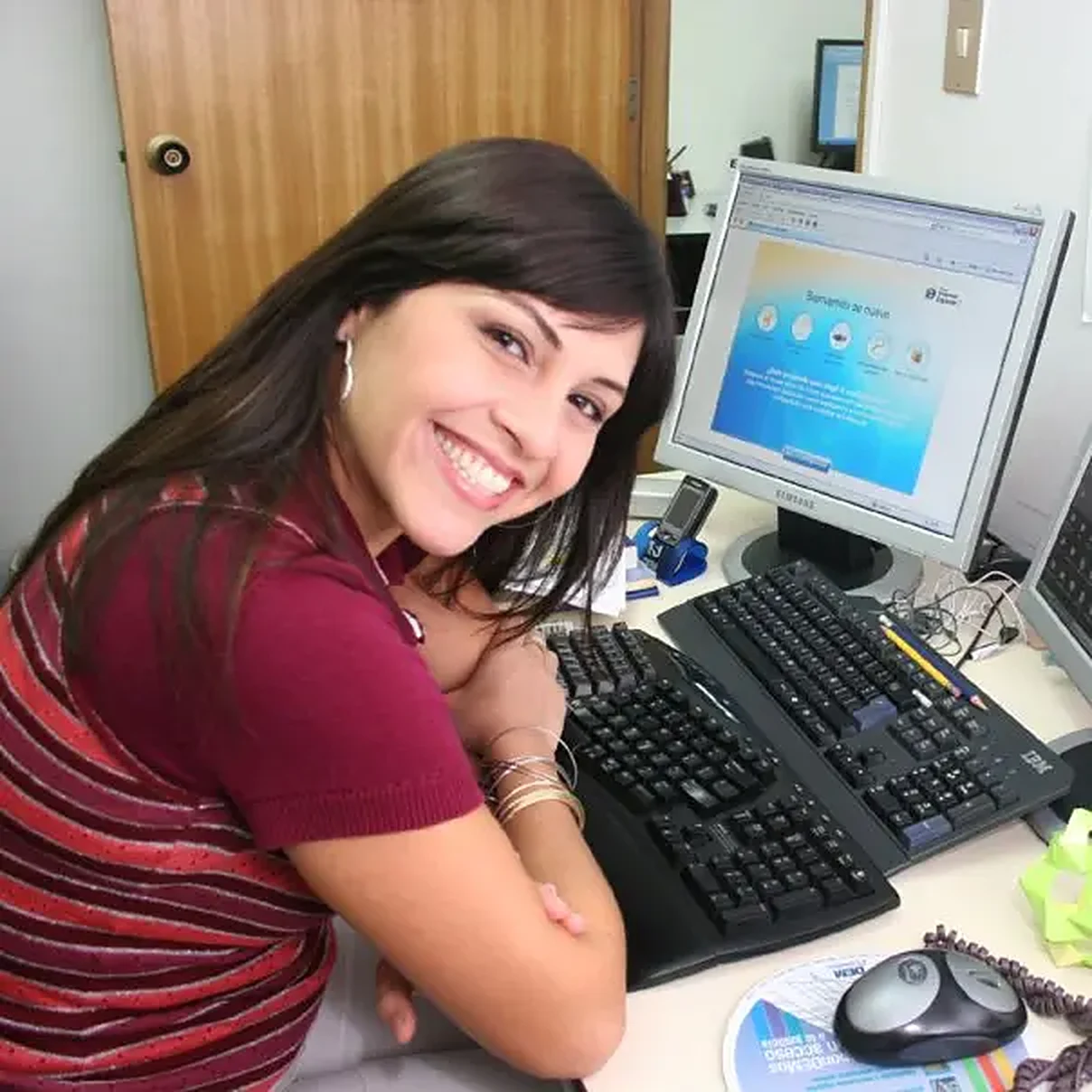
In 2003 I began coordinating the electronic image of the Executive Directorate of the Judiciary, as part of a multidisciplinary team from its Communications and IT Development offices. Together we created the institution’s internet and intranet portals, the Human Resources website and the screens of its internal systems. It was design for public service before that label existed: behind every screen there was a public servant who needed to finish a task.
“All three things are powerful”
In 2008 the institution’s magazine, NOTIDEM, interviewed me. Read today, one of my answers sums up what I still stand for:
“What do you do with the designed electronic media looking pretty if its content is not up to date or if it doesn’t work properly. All three things are powerful: how it looks, how it works and what it says.”
NOTIDEM, issue 36, July and August 2008 (certified translation from Spanish)
Back then I did not call it accessibility. Today I know that is exactly what it is: a site that looks good but does not work with a keyboard, or says things in words nobody understands, leaves someone out.
In the same interview I said that my work had to be complemented by professionals in communications and IT development to achieve a good final product. That has not changed: accessible design is always teamwork.
A standard only exists if it is written down
I was also part of the team working to standardize the websites of the institutions of the judicial branch. The idea was simple: that a person would find the same things in the same place on the site of any institution.
That project was never completed. Frequent changes in leadership meant that each stage started over. In time I understood why: that standard was held together with nails and ropes, that is, by the people pushing it. When they changed, it came apart.
The bridge Leonardo da Vinci drew more than five hundred years ago works the other way around. It needs no nails and no rope: each beam holds the next, and the weight of all of them keeps it standing. A written standard, with rules anyone can check, behaves the same way. Each rule supports the next, and it does not depend on who is in charge. That is why I named my method after that bridge.
The virtual courses: simple and fast
From 2014 to 2016 I was part of the team that designed virtual courses for judges at the National School of the Judiciary. There we did move forward. With the Instituto Iberoamericano de Altos Estudios Judiciales we worked on two courses with an Ibero-American reach: Advanced Studies in Ibero-American Civil Procedure Law and in Ibero-American Constitutional Law.
The design decisions started from the people who would use them: judges with little time, in different countries. So everything had to be simple: get informed fast, reach the documents in a few steps and never get lost on the way. In April 2014 the Institute sent me a letter of thanks for my contribution to the successful implementation of those courses.
From “formalizing the work” to The Bridge Method
In that 2008 interview I also said: “At the work level, I would like to formalize the work more, strengthen the design of multimedia, web and electronic formats in order to minimize production costs.”
Eighteen years later, The Bridge Method is that work, formalized: written rules, each with a yes or no test, published under an open license so they do not depend on who leads a project or where it is applied.
Today I am part of the team at AndiSites Inc. that designs websites for justice organizations and public colleges in the United States. I am grateful to work this way: decisions are made with the person who uses the service in mind, and with resources put to better use for everyone. It is what I was looking for in 2003, with better tools and with the rules in writing.